
Chichen Itza (Yucatan)
Visitor Guide to the Great Maya Wonder
⏱ Full day (with transfers)👤 All ages$$
Get Tickets
Get Chichen Itza Tickets
Skip the line · mobile tickets accepted at the door
At its height, Chichen Itza ruled the northern Maya lowlands — a cosmopolitan capital fusing Maya and central-Mexican traditions into architecture that still stuns: El Castillo encodes the calendar in stone (365 steps, 52 panels), and at the spring and fall equinoxes the afternoon sun casts a serpent's body slithering down its northern staircase to meet the carved head of Kukulcan at the base. The acoustics perform year-round — a handclap before the pyramid returns the chirp of the sacred quetzal bird.
Give the wider city its due: the Great Ball Court, 168 meters long, where the ancient ballgame carried ritual stakes (whisper at one end; the walls carry it); the Temple of the Warriors and its Group of a Thousand Columns; El Caracol, the spiral observatory tracking Venus; and the Sacred Cenote, the natural well that received offerings — including human ones — for centuries. Climbing the monuments is no longer permitted; the power now is in walking the scale of it.
Practicalities shape the experience. The site opens at 8am; the first two hours are cooler, quieter, and photogenic — by 11am the tour buses and vendors peak and the Yucatan sun rules. Entry combines federal (INAH) and state fees; a licensed guide at the gate (or a small-group tour from the coast) transforms the stones into a city. Bring a hat, water, and sunscreen; shade is scarce. Most visitors pair the day with a swim in a nearby cenote (Ik Kil is the famous one) and lunch or a stroll in colonial Valladolid — the classic triple-header from Cancun, Tulum, or Playa del Carmen.
What to Expect
Format
A walking visit through a vast open archaeological zone — El Castillo, the Great Ball Court, Temple of the Warriors, El Caracol, and the Sacred Cenote. Licensed guides at the entrance; most visitors come via day tour or rental car from the coast.
Best Time
At the 8am opening, before heat and buses — or the equinox weeks (late March/late September) for the serpent-shadow descent, with the crowds that come with it.
Duration
2-3 hours on site; a full day door-to-door from the coast with cenote and Valladolid stops.
Tips
Go early or stay the night before in Valladolid for a crowd-free morning. Hire a guide — the carvings need translation. Hat, water, sunscreen: shade is rare. Clap for El Castillo's quetzal echo. Pair with the Ik Kil cenote swim. Monument climbing is prohibited; drones too.
⚡ Quick Picks
Best For
Everyone's Yucatan list — it's the region's monumental must-see and one of the great ancient cities of the world.
Families
Spacious and stroller-manageable on main paths; kids love the ballcourt echo and the cenote swim after.
Couples
An early private-guide morning followed by a cenote dip and Valladolid lunch is a superb shared day.
Pair With
Cenote Ik Kil and colonial Valladolid — the standard, excellent trifecta.
Time Needed
A full day from the coast; 2-3 hours at the site itself.
Ready to book Chichen Itza?
Get Tickets →Frequently Asked Questions
How far is it from Cancun?
About 2-2.5 hours by highway from Cancun or Playa del Carmen (similar from Tulum). Day tours handle it comfortably; self-driving the cuota (toll) road is easy and safe by daylight.
Can you climb the pyramid?
No — climbing El Castillo and other monuments has been prohibited for years, for preservation and safety. The views from the ground lose nothing.
What's the equinox serpent?
Around the spring and fall equinoxes, the stepped terraces cast a serpent-shaped shadow down El Castillo's north staircase, joining the stone serpent head at its base — a deliberate calendar spectacle of Maya engineering. Expect peak crowds those weeks.
Is a guide worth it?
Strongly yes — licensed guides at the entrance (or included on good tours) turn carvings and platforms into the story of a living city. Without one, it's beautiful stones; with one, it's a civilization.
What should I bring?
Hat, water, sunscreen, comfortable shoes — the zone is large and shade is scarce. Cash helps for state/federal fee lines and vendors. Swimsuit if a cenote stop follows.
More Mexico Attractions
Browse all →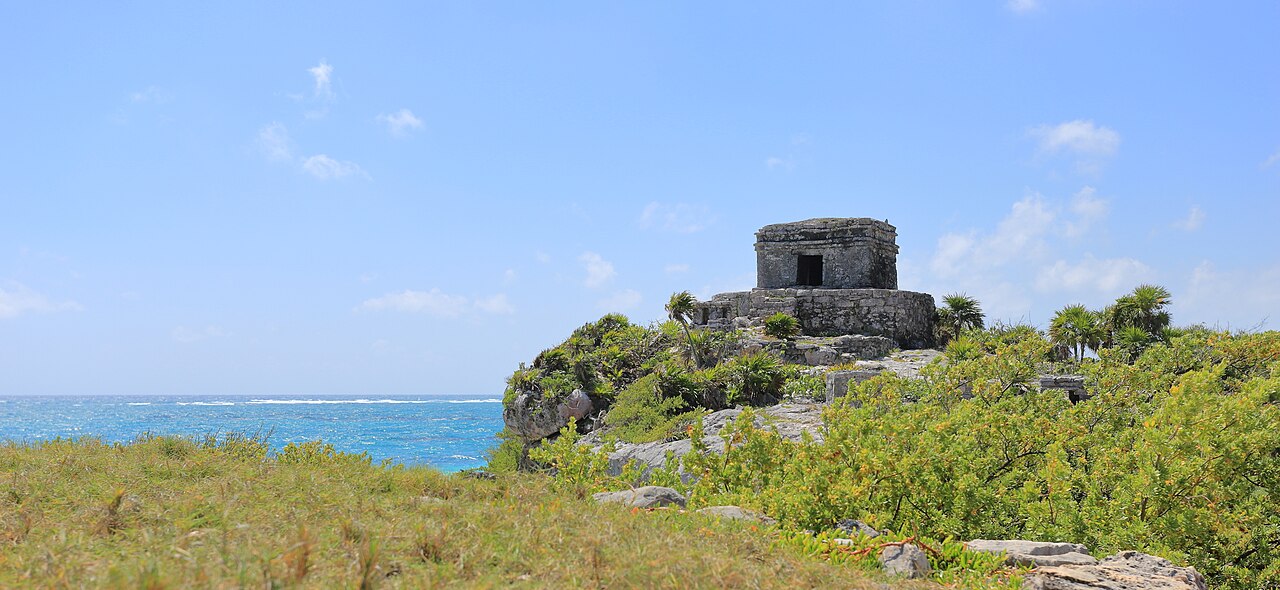
Tulum Ruins (Riviera Maya)
The Maya's most beautiful address — a walled clifftop city above turquoise Caribbean water, crowned by El Castillo, with a swimmable beach cove below. Small site, unforgettable setting; go at opening.
Coba Ruins (Riviera Maya)
The jungle Maya city — bike shaded sacbe causeways between pyramids still wrapped in forest, including mighty Nohoch Mul. Quieter than Chichen, wilder in spirit, an hour inland from Tulum.
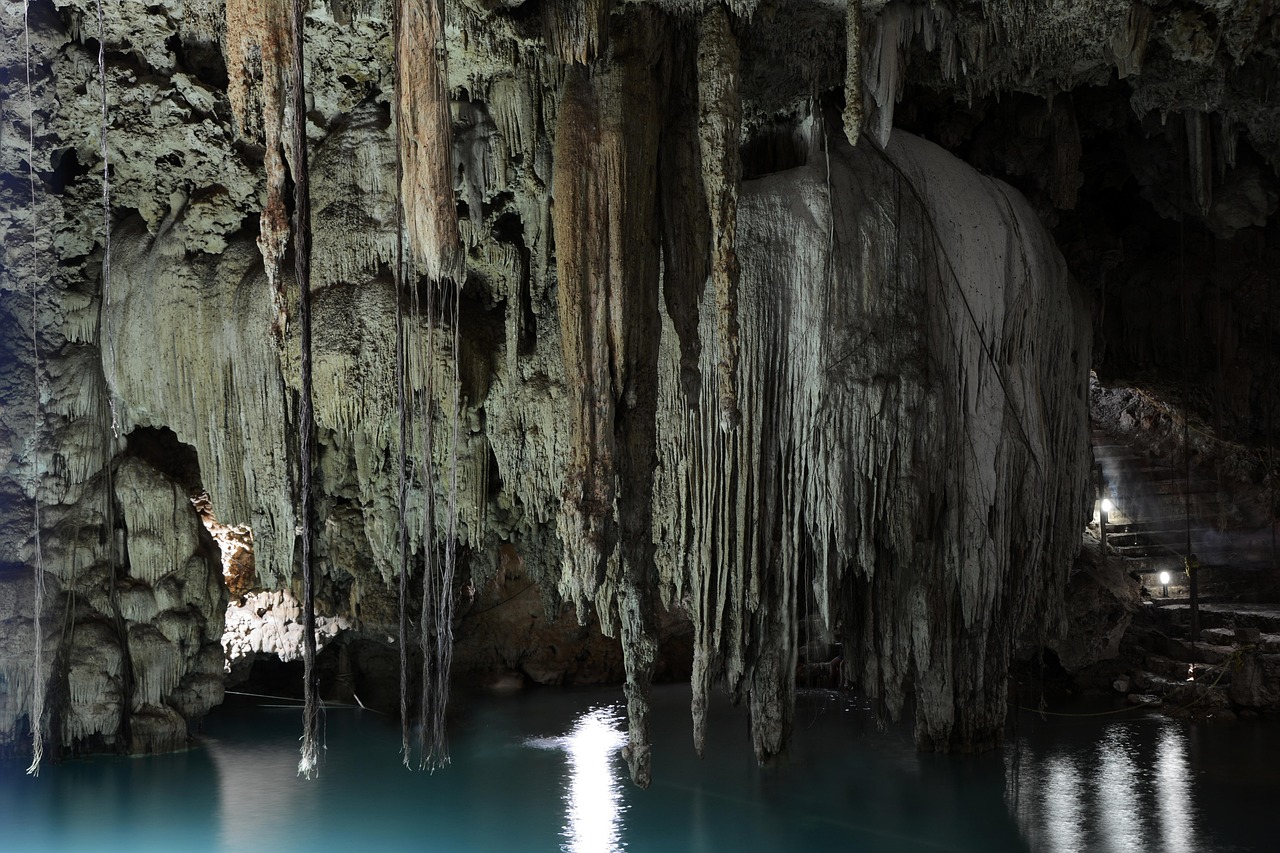
Cenotes Dos Ojos (Riviera Maya)
Swim the Maya underworld — twin "eyes" of glass-clear cavern water near Tulum, the gateway to one of Earth's longest underwater cave systems. Snorkel the lit caverns or dive the famous lines.